
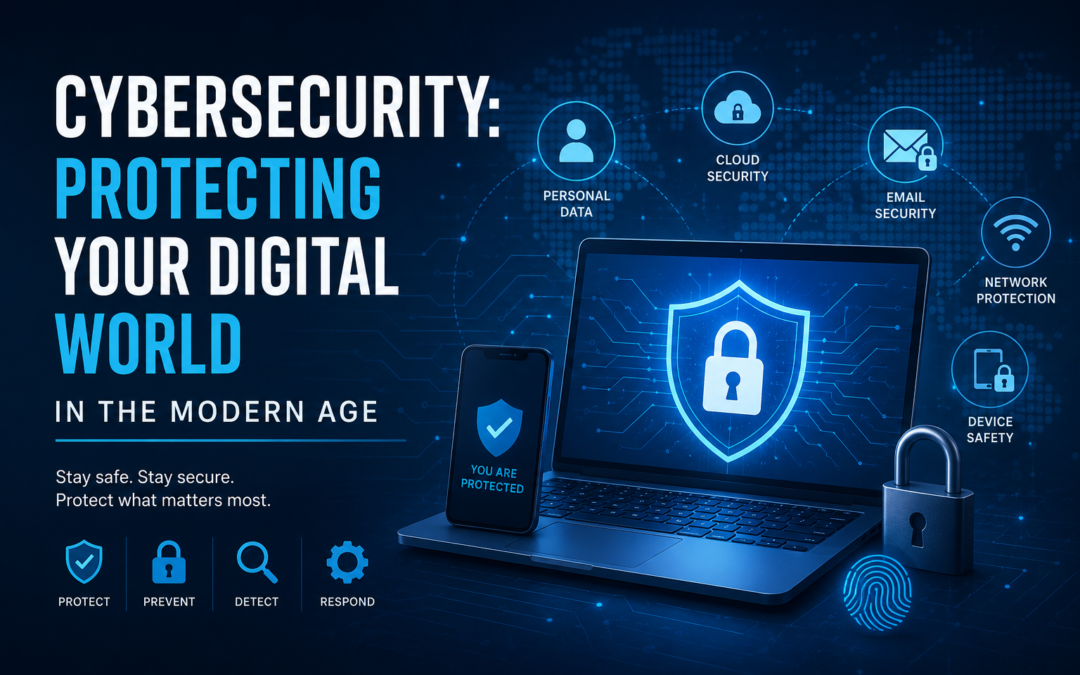
Introduction to Cybersecurity
In today’s digital era, cybersecurity has become one of the most important aspects of technology and online communication. From smartphones and laptops to cloud computing and online banking, almost every part of our daily life depends on the internet. While technology provides convenience and speed, it also creates opportunities for cybercriminals to attack systems, steal information, and cause financial damage.
Cybersecurity refers to the practice of protecting computers, networks, software, and data from unauthorized access, cyberattacks, and digital threats. It helps individuals and organizations secure sensitive information from hackers, malware, phishing scams, and ransomware attacks.
Why Cybersecurity is Important
The internet stores a huge amount of personal and business information. Cybercriminals target this information to steal passwords, bank details, identities, and confidential business data. A successful cyberattack can lead to financial loss, data breaches, reputation damage, and even legal issues.
Businesses, governments, schools, hospitals, and individuals all rely on cybersecurity to keep their systems safe. Without proper security measures, important information can be exposed to hackers and criminals.
- Protects personal and financial data
- Prevents unauthorized access to systems
- Reduces the risk of cyberattacks
- Protects business reputation and customer trust
- Ensures safe online communication and transactions
Common Types of Cyber Threats
1. Phishing Attacks
Phishing is one of the most common cyber threats. In phishing attacks, hackers send fake emails, messages, or websites that look genuine. Their goal is to trick users into sharing passwords, credit card details, or personal information.
For example, you may receive an email pretending to be from your bank asking you to verify your account details. Clicking the fake link can expose your information to cybercriminals.
2. Malware
Malware is harmful software designed to damage or gain access to computers and networks. Malware includes viruses, worms, spyware, and trojans.
- Viruses can corrupt files and slow systems
- Spyware secretly collects user information
- Trojans disguise themselves as safe programs
- Worms spread quickly across networks
3. Ransomware
Ransomware is a dangerous type of malware that locks or encrypts files and demands money to restore access. Many businesses and organizations have suffered huge financial losses due to ransomware attacks.
4. Social Engineering
Social engineering attacks manipulate people into revealing confidential information. Instead of hacking systems directly, attackers exploit human behavior and emotions like fear or trust.
5. Password Attacks
Weak passwords are easy targets for hackers. Cybercriminals use automated tools to guess passwords and gain access to accounts. Using simple passwords like “123456” or “password” increases security risks.
Best Practices for Cybersecurity
Following good cybersecurity habits can significantly reduce the risk of online attacks. Both individuals and organizations should implement strong security measures.
Use Strong Passwords
Create strong passwords using a combination of:
- Uppercase and lowercase letters
- Numbers
- Special characters
- At least 12 characters in length
Avoid using personal information like birthdays or names in passwords.
Enable Two-Factor Authentication (2FA)
Two-factor authentication adds an extra layer of security by requiring a second verification step, such as a mobile OTP or authentication app.
Keep Software Updated
Software updates often include security patches that fix vulnerabilities. Always keep operating systems, browsers, antivirus software, and applications updated.
Be Careful with Emails and Links
Never click suspicious links or download unknown attachments from emails or messages. Verify the sender before sharing any personal information.
Use Antivirus and Firewalls
Antivirus software helps detect and remove malware, while firewalls monitor and block suspicious network activity.
Backup Important Data
Regular backups help recover data in case of ransomware attacks, hardware failure, or accidental deletion.
Cybersecurity for Businesses
Businesses are major targets for cyberattacks because they store customer information, payment details, and confidential records. Companies must invest in strong cybersecurity systems to protect their operations.
- Train employees about cyber threats
- Use secure cloud storage solutions
- Implement data encryption
- Conduct regular security audits
- Monitor network activity continuously
Employee awareness is especially important because human error is one of the leading causes of data breaches.
The Future of Cybersecurity
As technology continues to evolve, cyber threats are becoming more advanced and sophisticated. Artificial intelligence, cloud computing, and the Internet of Things (IoT) are creating new opportunities as well as new security challenges.
Cybersecurity professionals are now using advanced technologies like AI-based threat detection, machine learning, and blockchain security to protect digital systems.
The demand for cybersecurity experts is also growing rapidly worldwide. Many organizations are hiring professionals to secure networks, analyze threats, and prevent attacks.
Conclusion
Cybersecurity is essential in today’s connected world. From protecting personal information to securing business operations, strong cybersecurity practices help reduce risks and prevent cybercrime. Online threats continue to grow every day, making awareness and prevention more important than ever.
By using strong passwords, updating software, enabling two-factor authentication, and staying alert online, individuals and organizations can create a safer digital environment. Cybersecurity is not just the responsibility of IT experts—it is a shared responsibility for everyone using the internet.